The Quiet Art of Japanese Ryokan Living
How centuries-old hospitality traditions in Hakone offer a timeless remedy for modern fatigue.
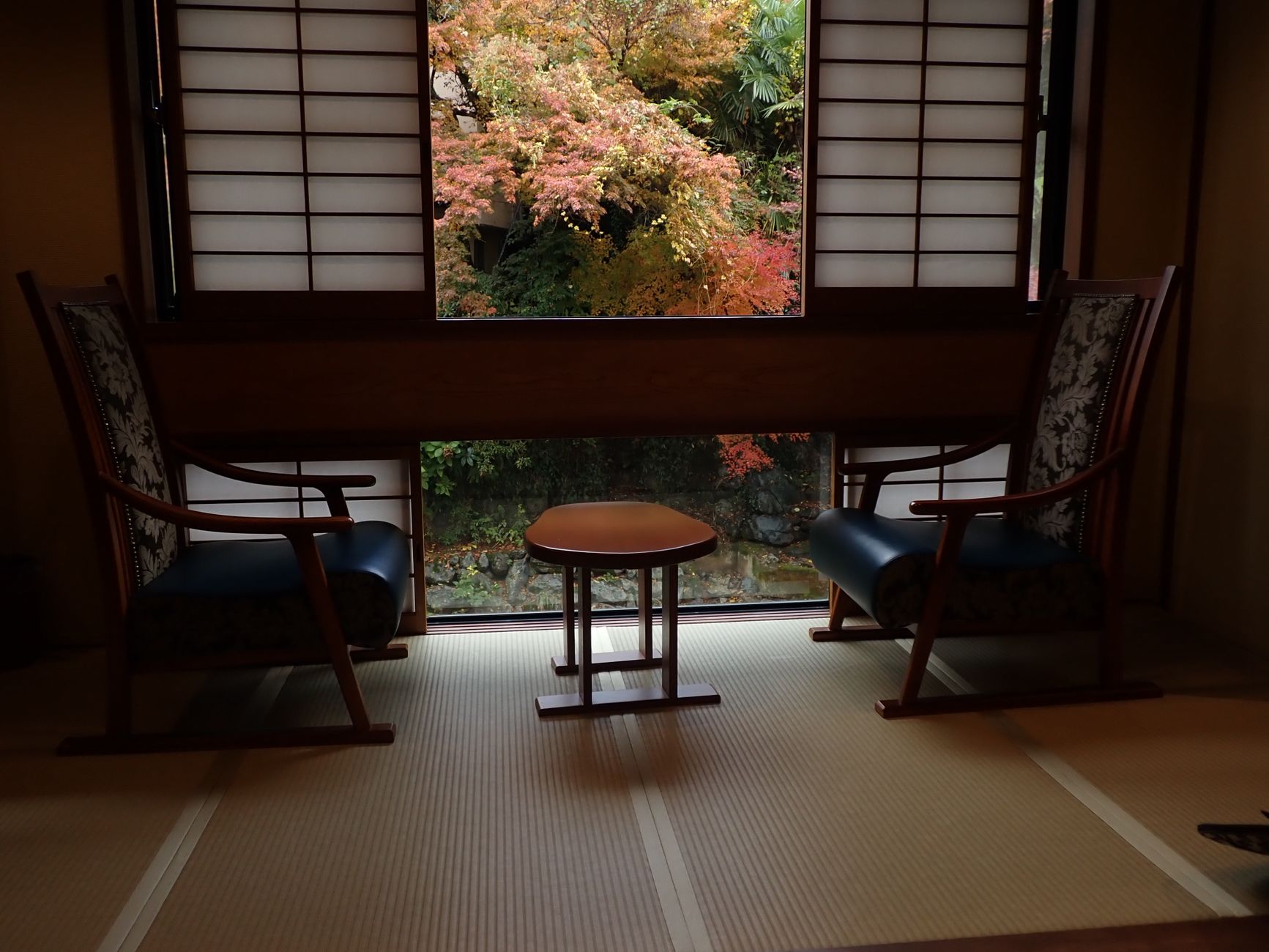
1. The Essence of Omotenashi
In the cedar-scented valleys of Hakone, time moves to the rhythm of steam rising from volcanic springs. To enter a traditional Japanese ryokan is not merely to check into an accommodation; it is to accept an invitation into a centuries-old philosophy of hospitality known as omotenashi.
Unlike Western luxury service, which often emphasizes visible grandeur, omotenashi operates through subtle anticipations. Your slippers are aligned before you step out of the genkan; your tea is brewed at precisely seventy degrees Celsius; your futon is laid out while you dine without a single word exchanged.
2. Architectural Harmony
Tatami mats woven from rush grass, sliding shoji screens made of translucent mulberry paper, and tokonoma alcoves displaying a single seasonal flower arrangement—the architecture of a ryokan celebrates natural imperfection (wabi-sabi).
"In the quietude of a tatami room, one begins to notice the subtle shift of sunlight through paper screens, a detail swallowed by modern hurry."
3. Seasonal Kaiseki Dining
Dinner at a premier ryokan is a multi-course ceremony reflecting the micro-seasons of Japan. From spring bamboo shoots and sea bream to autumn matsutake mushrooms, each plate is an artistic tribute to geographic origin and climate.
4. Recommended Ryokans in Hakone
- Gora Kadan: Former imperial family retreat blending mid-century modern aesthetic with classical hot springs.
- Ginyu Hakone: Perched over the Hayakawa ravine with private open-air bath tubs on every terrace.
Inspired to Visit Japan?
Let our concierge team design a custom Japanese ryokan itinerary tailored to your schedule.
Request Itinerary Advisory